

A medical second opinion is defined as consulting a second physician to independently review your diagnosis or treatment plan. The advantages of second opinions are well documented: 67% of second opinions result in a recommendation to change diagnosis or treatment path. That figure alone makes the case for every Canadian patient facing a serious or complex diagnosis. Healthnavigatorai exists precisely to help you prepare for those conversations, understand your records, and know what questions to ask before you walk into that second appointment.
1. What are the core second opinion benefits medical patients should know?
A second opinion confirms whether your diagnosis is correct, opens the door to alternative treatments, and can save you significant money. A Memorial Sloan Kettering Cancer Center study found that patients seeking second opinions for cancer save an average of $15,000 per patient by avoiding unnecessary surgery or switching to less expensive but equally effective therapies. That is not a marginal benefit. It is a financial and clinical outcome that changes lives.
The same study tracked 120 patients and found that 1 in 3 experienced improved quality of life, and 1 in 10 saw improved survival. Those numbers reflect real people who would have followed a different, less effective path without a second review. For Canadian patients navigating publicly funded healthcare with long specialist wait times, getting the right diagnosis the first time matters even more.

Patient confidence is the primary intangible benefit. Confidence improves adherence and satisfaction even when the second opinion confirms the original diagnosis. Knowing two independent physicians agree gives you a foundation to commit fully to your treatment plan.
2. Improved diagnostic accuracy
Diagnostic errors are more common than most patients realize. Routine biopsy second opinions change diagnoses 7.5% of the time and overturn planned surgeries in 33% of cases. A 7.5% error rate on biopsies sounds small until you consider that the wrong biopsy result can lead to an unnecessary surgery, months of incorrect treatment, or a missed cancer.
Imaging interpretation carries similar risk. Radiologists reading the same scan can reach different conclusions depending on their subspecialty training and experience. A second radiologist with specific expertise in your condition type often catches findings the first missed. This is not a criticism of the original physician. It is a structural reality of medicine.
Pro Tip: When seeking a second opinion on imaging, ask the second institution to read the original images independently rather than reviewing the first radiologist's report. Fresh eyes on raw data produce more reliable results.
3. Access to alternative and less invasive treatments
Second opinions frequently surface treatment options the first physician did not mention. In cancer care specifically, major treatment plan changes occur in about 42% of cases reviewed by a second specialist. That means nearly half of cancer patients who seek a second review learn there is a meaningfully different path available to them.
Those alternatives often include less invasive procedures, newer drug protocols, or eligibility for clinical trials not available at the original treating institution. Academic medical centers and cancer centers frequently run trials that community hospitals do not. A second opinion at a specialized center can open access to treatments that simply were not on the table before.
4. Reduced unnecessary procedures and cost savings
Unnecessary procedures carry real risks: surgical complications, recovery time, and financial cost. Second opinions act as a filter. When a second physician disagrees with a proposed surgery, that disagreement is a signal worth taking seriously before you go under anesthesia.
For common conditions, a second opinion establishes a new diagnosis 10% of the time and provides helpful clarifying advice to 70% of patients. Even when the diagnosis does not change, the additional context helps patients make more informed decisions about whether to proceed with a proposed intervention.
5. Psychological reassurance and reduced anxiety
Uncertainty is one of the most distressing parts of a serious diagnosis. A second opinion that confirms the original finding does not represent wasted effort. It represents the elimination of doubt. Psychiatric experts describe second opinions as a fundamental patient prerogative, recommending transparency and open-mindedness even when the second review confirms the first.
Reduced anxiety translates directly into better treatment outcomes. Patients who feel confident in their diagnosis are more likely to follow through with treatment, communicate openly with their care team, and report higher satisfaction with their care overall.
6. How often do second opinions change diagnosis or treatment?
The data on second opinion impact is striking across multiple condition types.
| Scenario | Rate of Change |
|---|---|
| Cancer treatment plan changes | ~42% of cases |
| Biopsy diagnosis changes | ~7.5% of cases |
| Planned surgeries overturned | ~33% of cases |
| New diagnosis for common conditions | ~10% of cases |
| Patients receiving helpful clarifying advice | ~70% of cases |
These figures show that second opinions are not a niche tool for rare situations. They produce meaningful changes across a wide range of conditions and care settings. Even in the majority of cases where the diagnosis stays the same, patients gain clarity that improves their ability to engage with treatment.
7. When Canadian patients should seek a second opinion
Certain situations make a second opinion not just reasonable but necessary. These include:
- A diagnosis of cancer, a rare disease, or any condition with a low incidence rate
- Unclear, conflicting, or inconclusive test results
- A recommendation for high-risk, invasive, or irreversible surgery
- A proposed treatment that carries significant side effects or long-term consequences
- Discomfort with how your physician communicated the diagnosis or treatment options
- A desire to explore clinical trials or newer therapies not mentioned by the first physician
- Any situation where you feel uncertain, confused, or not fully heard
Second opinions empower patient autonomy and are especially valuable when facing complex options or rare conditions. Seeking one is not a sign of distrust toward your physician. It is a sign that you are taking your health seriously.
Canadian patients face an additional consideration: specialist wait times vary significantly by province and condition. Getting a second opinion early, before committing to a treatment path, avoids the cost of changing course after a long wait for a procedure that turns out to be unnecessary.
8. How to get a second opinion in Canada
Getting a second opinion is straightforward when you follow a clear process.
- Talk to your current doctor first. Ask directly for a referral to another specialist. Most physicians welcome second opinions as part of patient-centered care and will not take offense. If your doctor discourages the request, that itself is useful information.
- Request your complete medical records. Collect all test results, imaging, pathology reports, and clinical notes before your second appointment. The second physician needs the full picture to give you an independent assessment.
- Choose a different institution. Seeking opinions from different medical institutions ensures independent evaluation and avoids internal bias. A colleague at the same clinic may be influenced by the original physician's conclusions.
- Prepare specific questions. Write down what you want to know: Do you agree with this diagnosis? Are there other treatment options? Am I a candidate for any clinical trials? What would you do differently?
- Bring a trusted person with you. A family member or friend can take notes, ask follow-up questions, and help you process what you hear after the appointment.
- Understand you are not switching doctors. Obtaining a second opinion does not mean you are leaving your current physician. You retain full control over who manages your ongoing care.
Pro Tip: Use Healthnavigatorai to upload your medical documents before your second appointment. The tool translates clinical language into plain English so you arrive at the second consultation already understanding what your records say.
Before your appointment, you can also check your symptoms in plain language to build a clearer picture of your condition and identify the right type of specialist to consult.
Key takeaways
Getting a second medical opinion is one of the most effective steps a Canadian patient can take to confirm a diagnosis, access better treatment options, and reduce unnecessary costs and procedures.
| Point | Details |
|---|---|
| Diagnoses change frequently | Second opinions change cancer treatment plans in about 42% of cases and biopsy results in 7.5% of cases. |
| Cost savings are real | Patients seeking second opinions for cancer save an average of $15,000 by avoiding unnecessary procedures. |
| Confidence improves outcomes | Even when diagnoses are confirmed, patient confidence increases adherence and treatment satisfaction. |
| Use a different institution | Independent institutions provide fresh evaluations free from internal bias or collegial influence. |
| You keep your doctor | Seeking a second opinion does not require changing physicians or disrupting your existing care relationship. |
Why second opinions are the most underused tool in patient care
Second opinions are the most underused tool in patient-centered care, and I think the reason is almost entirely psychological. Patients worry about offending their doctor. They feel guilty for questioning someone who spent years in medical school. That guilt is understandable, but it is misplaced.
Every skilled clinician knows they can be wrong. Medicine involves interpretation, and interpretation varies. When I look at the data showing 42% of cancer treatment plans change after a second review, I do not see a failure of the first physician. I see a system that works exactly as it should when patients use all the tools available to them.
The patients who benefit most from second opinions are not the ones who distrust their doctors. They are the ones who treat their own health with the same rigor they would apply to any major decision. You would not buy a house based on one inspection. You would not accept a legal settlement without a second lawyer's review. Your diagnosis deserves the same standard.
The psychological benefit is also real and often underestimated. Patients who confirm their diagnosis through a second opinion commit to treatment more fully. They ask better questions. They experience less anxiety during treatment because they have already done the work of verifying the plan. That is not a soft outcome. It is a clinical one.
> — Rishi
Healthnavigatorai: your starting point for second opinion preparation
Preparing for a second opinion is easier when you understand your own records. Healthnavigatorai is a free, no-login AI tool built for Canadian patients that translates medical documents and symptoms into plain English.
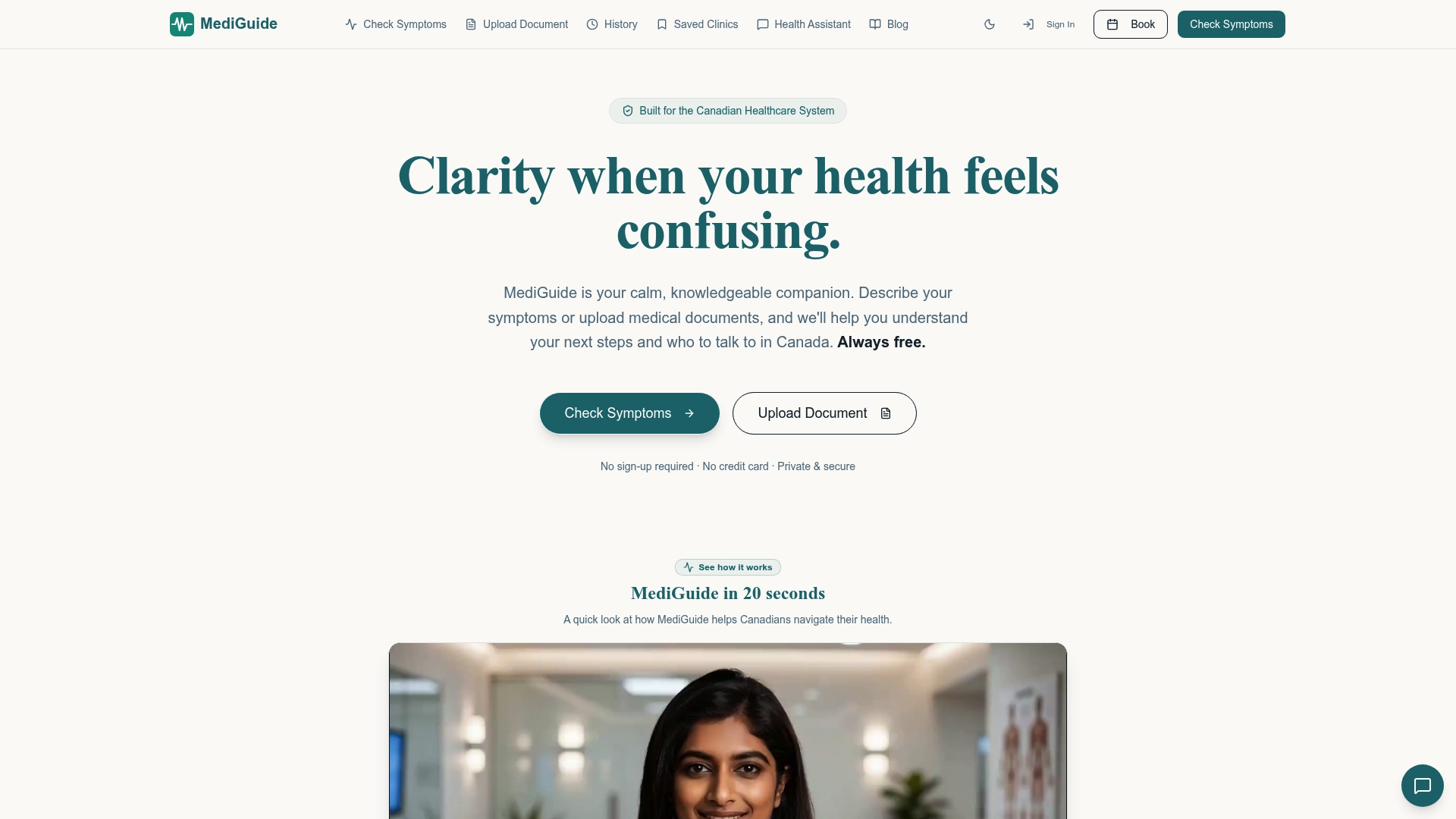
You can upload your medical documents directly to Healthnavigatorai to get a clear summary of what your records say before you meet with a second physician. The tool also connects you to the right type of specialist based on your symptoms and provides average wait times by region. No personal data is stored or shared. For Canadian patients who want to walk into a second opinion appointment fully prepared, Healthnavigatorai is the clearest place to start.
FAQ
What percentage of second opinions result in a changed diagnosis?
Second opinions change cancer treatment plans in about 42% of cases and establish a new diagnosis for common conditions about 10% of the time. Biopsy second opinions change results in approximately 7.5% of cases.
Will asking for a second opinion offend my doctor?
Most physicians welcome second opinions as part of patient-centered care and do not view them as an insult. Medical guidelines and patient advocacy organizations consistently describe second opinions as a standard and encouraged practice.
Do I need a referral to get a second opinion in Canada?
In most Canadian provinces, you need a physician referral to see a specialist, including for a second opinion. Ask your current doctor to refer you, or contact your provincial health authority for guidance on self-referral options where available.
Should I get a second opinion even if my diagnosis seems straightforward?
A second opinion is most valuable for serious, complex, or rare diagnoses, but even for common conditions, 70% of patients receive helpful clarifying advice. If you feel uncertain or the proposed treatment is invasive, a second review is always worth pursuing.
Can I use Healthnavigatorai to prepare for a second opinion appointment?
Yes. Healthnavigatorai lets you upload medical documents and describes your symptoms in plain English, helping you understand your records and formulate clear questions before meeting with a second physician.


