

How body systems signal illness is the process where organs and physiological systems produce symptoms that reveal underlying health problems. Your body runs on interconnected systems: the nervous system, immune system, respiratory system, skin, and joints all communicate constantly. When one system is disrupted, others respond. Recognizing those responses early, before symptoms become severe, is the difference between catching a problem and missing it. Resources like HealthLink BC and Harvard Health have mapped these signals in detail, and the patterns they describe are more readable than most people realize.
How body systems signal illness: the key systems involved
Body systems are defined by the Cleveland Clinic as teams of organs with specific jobs that work together to keep the body stable. When disease disrupts one system, the effects ripple outward. That ripple effect is exactly what produces the symptom clusters doctors use to diagnose illness.
Five systems generate most of the signals people notice:
- Nervous system: Senses pain, fatigue, and temperature changes. It also controls the fight-or-flight response, which floods the body with stress hormones like cortisol that raise heart rate and tighten muscles. Persistent fatigue despite rest is a primary signal that the nervous system is stuck in a heightened alert state.
- Immune system: Releases molecules called cytokines that travel to the brain and trigger a coordinated defense response. This is the system most people think of as "fighting infection," but its reach extends far beyond the infection site.
- Respiratory system: Signals illness through coughing, rapid breathing, or shortness of breath. These signs reflect the lungs and airways responding to infection, inflammation, or obstruction.
- Integumentary system (skin): Produces rashes, bruising, pallor, or jaundice. Skin changes are often the most visible early signs of illness, reflecting problems in the blood, liver, or immune system.
- Musculoskeletal system: Generates joint swelling, stiffness, and muscle aches. These signals often indicate inflammation spreading beyond a single location.
Pro Tip: When you notice a symptom, ask yourself which system it belongs to. Then ask whether any other system is also showing signs. Two systems signaling at once almost always means the illness is more serious than a single symptom suggests.
No system works in isolation. A lung infection triggers the immune system, which signals the brain, which produces fatigue and appetite loss. That chain reaction is the body coordinating its defense, not random suffering.

How do symptoms and behavioral changes reflect body communication?
The brain and immune system maintain a direct communication channel called the brain–immune axis. When the immune system detects a threat, it sends molecular signals to the brain. The brain responds by triggering what researchers call "sickness behavior."
Sickness behavior includes fatigue, loss of appetite, and social withdrawal. These are not side effects of illness. They are deliberate responses coordinated by the brain to redirect the body's energy toward fighting infection. Resting conserves energy. Reduced appetite lowers iron and zinc availability, which many pathogens need to replicate.
> "Feeling sick may be important for surviving infection. The behavioral changes associated with illness are part of the immune response, not just unpleasant symptoms to be suppressed." — MIT Department of Biology
Fever is one of the clearest examples of this coordination. The hypothalamus acts as the body's thermostat, resetting body temperature upward in response to molecules called pyrogens released during infection. Sweating, shivering, headache, and muscle aches all follow from that single reset. A high fever can cause confusion, irritability, and in severe cases, seizures. Those neurological signs show how far the immune response can reach.
Symptom combinations also carry diagnostic meaning. Fever paired with a cough points toward pneumonia. Fever paired with vomiting suggests gastroenteritis. The pattern matters as much as any individual symptom.
What symptom patterns indicate serious illness?
Symptom clusters are more reliable than isolated symptoms for identifying serious illness. HealthLink BC maps serious illness symptoms to specific body systems, giving a clear framework for triage.
| Body system | Warning symptoms | Possible indication |
|---|---|---|
| Brain and nervous system | Severe confusion, extreme sleepiness, severe neck stiffness | Meningitis, encephalitis, stroke |
| Respiratory system | Difficulty breathing, rapid breathing, blue lips | Pneumonia, asthma attack, pulmonary embolism |
| Skin | New rash, severe bruising, unusual pallor | Sepsis, allergic reaction, blood disorder |
| Joints and muscles | Sudden severe joint swelling, inability to move a limb | Septic arthritis, autoimmune flare |
Isolated symptoms are easy to dismiss. Severe neck stiffness alone might feel like a muscle strain. But severe neck stiffness combined with confusion and extreme sleepiness is a medical emergency. That combination points directly to meningitis, a condition where recognizing the signal cluster early can be the difference between recovery and permanent damage.
Rapid breathing is another signal people underestimate. The respiratory system produces this sign when oxygen delivery is failing. Paired with confusion or blue lips, it demands immediate care.
Pro Tip: If you are unsure whether symptoms are serious, use a symptom checker before deciding to wait. Multi-system symptoms, meaning symptoms from two or more body systems at the same time, should always be assessed by a professional.
The key mistake most people make is evaluating symptoms one at a time. The body does not produce signals one at a time. It produces patterns. Reading those patterns is the skill that separates early detection from delayed care.
How can you use body signals to make better health decisions?
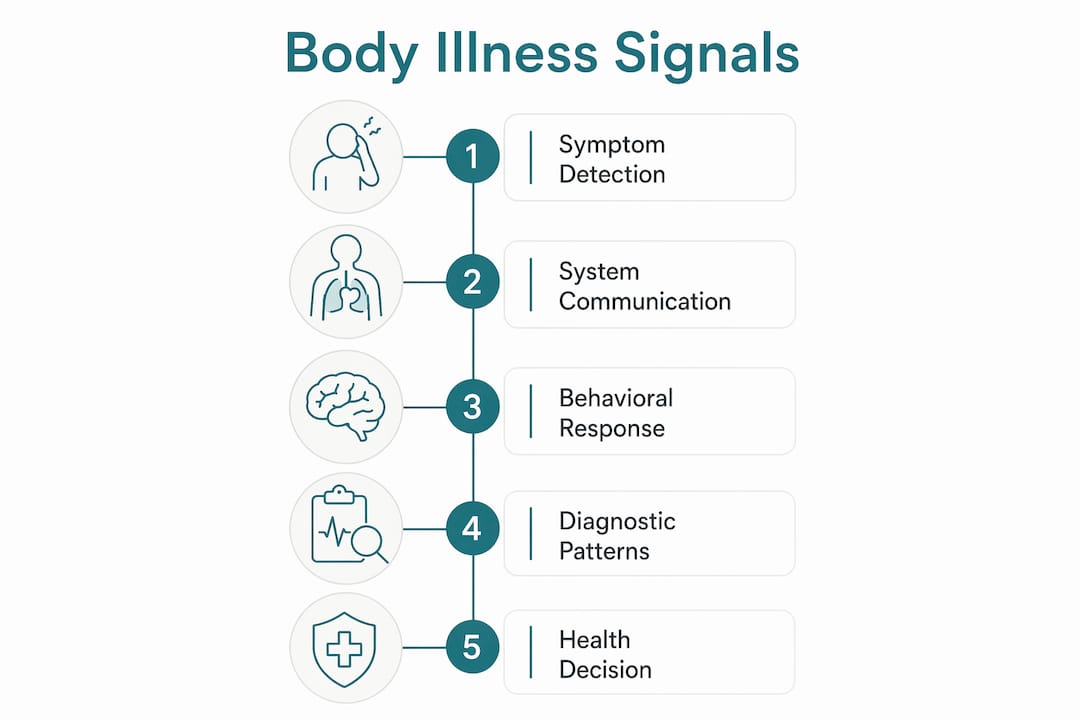
Understanding how illness manifests across systems changes how you monitor your own health. A single symptom is a data point. A cluster of symptoms from multiple systems is a message.
Start with these steps when symptoms appear:
- Name the system. Identify which body system each symptom belongs to. A sore throat is respiratory. A rash is integumentary. Joint pain is musculoskeletal.
- Count the systems involved. One system showing signs is common. Two or more systems showing signs simultaneously signals a more serious or widespread problem.
- Track the timeline. Symptoms that appear together within 24–48 hours of each other are more likely to be connected than symptoms that develop weeks apart.
- Note behavioral changes. Fatigue, mood shifts, and appetite loss are not separate from physical symptoms. They are part of the same coordinated defense response and belong in your symptom report.
- Report the full picture to your provider. Clinicians use symptom patterns to diagnose. A partial report produces a partial diagnosis. Describe every symptom, including behavioral ones, even if they seem unrelated.
You can also compare your symptom pattern against known illness profiles. For example, understanding the difference between cold, flu, and COVID helps you recognize which system is most affected and how urgently you need care.
Avoid the common mistake of waiting for a single dramatic symptom before seeking help. Subtle, multi-system signals, such as mild fatigue combined with a new rash and low appetite, often precede serious illness by days. Acting on the pattern early gives treatment the best chance to work.
Key Takeaways
Body systems signal illness through coordinated symptom patterns, and reading those patterns across multiple systems is the most reliable way to assess illness severity.
| Point | Details |
|---|---|
| Systems work together | Illness in one system triggers responses in others, producing symptom clusters rather than isolated signs. |
| Sickness behavior is intentional | Fatigue, appetite loss, and social withdrawal are brain-coordinated defense responses, not random side effects. |
| Fever reveals system reach | The hypothalamus resets body temperature using pyrogens, producing sweating, shivering, and neurological signs. |
| Multi-system signals are urgent | Symptoms from two or more systems simultaneously, such as confusion plus breathing difficulty, require immediate care. |
| Pattern reporting improves diagnosis | Describing all symptoms, including behavioral ones, gives clinicians the full picture needed for accurate triage. |
Why I think most people read their symptoms backwards
People tend to wait for a single, unmistakable symptom before taking illness seriously. A high fever, a visible rash, or a sharp pain. That instinct is understandable, but it misses how the body actually works.
The body rarely sends one clean signal. It sends a pattern. I have seen people describe fatigue, mild joint aches, and a slight loss of appetite as three separate, unrelated problems. They were not. They were the immune system, musculoskeletal system, and brain-immune axis all signaling the same underlying problem at the same time.
The brain-immune axis research from MIT changed how I think about behavioral symptoms. Fatigue and appetite loss are not just unpleasant. They are the brain actively redirecting resources. Suppressing those signals with caffeine and appetite stimulants can actually work against the body's defense strategy.
The other mistake I see constantly is treating fever as the illness rather than as a signal. Harvard Health's explanation of the hypothalamus as a thermostat is the clearest way I know to explain it. The fever is the body doing its job. The pattern around the fever, what other systems are showing signs, is what tells you how serious the situation is.
My honest advice: learn to read your symptoms as a system report, not a list of complaints. When two or more systems are signaling at once, that is the body asking for help loudly. Listen to it.
> — Rishi
Healthnavigatorai makes symptom patterns easier to read
Recognizing which body systems are involved in your symptoms is the first step. Knowing what to do next is where most people get stuck.

Healthnavigatorai's MediGuide tool lets you describe your symptoms in plain language and receive a clear assessment of what they may indicate, which specialist fits your situation, and how long the wait typically is in your region. No sign-up required, and your data is never sold or shared. You can also upload medical documents for personalized guidance based on your actual health records. For Canadians who want fast, private, and free symptom assessment, check your symptoms now and get a clear next step without the confusion.
FAQ
What does it mean when multiple body systems show symptoms at once?
Multi-system symptoms indicate that illness has triggered a coordinated response across the body. This pattern is more serious than a single isolated symptom and usually requires professional assessment.
How does the immune system signal the brain during illness?
The immune system releases cytokines that travel to the brain and activate the brain-immune axis. This triggers sickness behavior, including fatigue, appetite loss, and social withdrawal, as part of a coordinated defense response.
What are the early signs of serious illness to watch for?
HealthLink BC identifies severe neck stiffness, confusion, extreme sleepiness, difficulty breathing, and new rashes as key warning signs. These symptoms map to the brain, respiratory system, and skin, and require urgent medical attention.
Why does fever cause confusion and irritability?
The hypothalamus resets body temperature using pyrogens during infection, and a high fever can affect brain function directly. Confusion and irritability are neurological signs that the fever has reached a level requiring immediate care.
How do I know if my symptoms are connected or coincidental?
Symptoms that appear within 24–48 hours of each other and involve more than one body system are almost always connected. Tracking the timeline and identifying which systems are involved helps you and your provider recognize the pattern accurately.


